
Table of Contents
Dubai and the GCC region are entering a new era of global maritime dominance. Positioned at the crossroads of East and West, the region is not just transporting global goods — it’s leading the next evolution in shipping, port automation, sustainability, and digital transformation.
In 2025, maritime logistics is not simply about moving cargo. It’s about speed, intelligence, infrastructure, sustainability — and Dubai sits at the center of it all.
Dubai’s maritime industry is built on:
- Strategic Location
- World-class Ports
- Strong Free Zone Ecosystem
- Government-Level Economic Vision
- Unmatched Infrastructure Investment
From Jebel Ali Port to Khalifa Port Abu Dhabi, King Abdullah Port, and Hamad Port Qatar, the GCC has diversified its maritime economy.
- Global Trade Re-routing through GCC
- Rising Asian and African Markets
- Emphasis on Becoming Non-Oil Economies
As per latest GCC direction:
Logistics is now a long-term strategic asset — not just a service sector.
- UAE Logistics Market 2024 Size: $30.3 Billion
- Expected to reach $38 Billion by 2028
- CAGR: 5.4%
GCC maritime logistics overall is valued at:
$56 Billion+ (expected 7% YoY growth)
More than 85% of UAE foreign trade passes through seaports.
- Among the Top 10 busiest ports globally
- Handles 13+ million TEUs annually
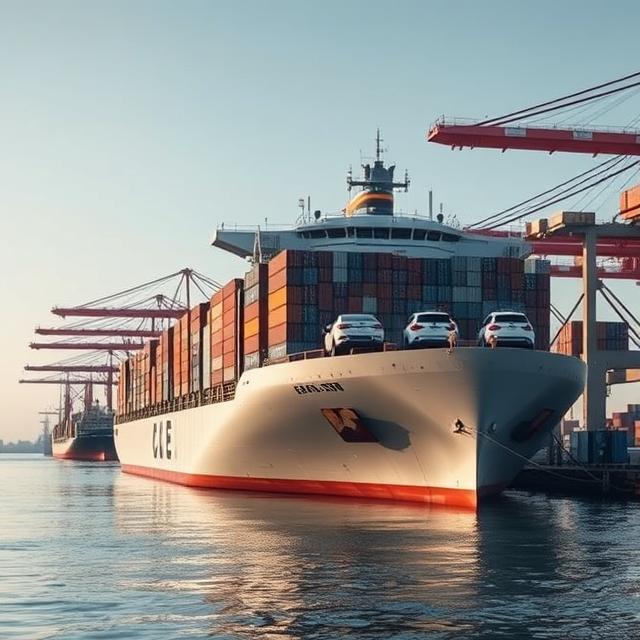
- Fully automated container terminal
- Regional mega-hub for shipping lines
- Fastest-growing port in the world in 2023
- Key for Vision 2030 export plans
- Boosts Qatar’s self-reliance
- Designed for 7.8M TEUs capacity
- Industrial gateway port
- Energy & special cargo advantage
AI systems now run:
- Crane operations
- Asset tracking
- Yard optimization
- Digital twin modeling
Dubai leads with:
- Blockchain customs clearance
- AI-powered routing
- 24/7 full automation at terminals
GCC is investing in:
- Green bunkering
- Hydrogen fueling
- Carbon-neutral fleets
- Solar-based port energies
Dubai & Abu Dhabi are piloting:
- Electric tugboats
- Sustainable MRO centers
Sea + Land + Air + Rail integration via:
- Etihad Rail
- Saudi Landbridge
- GCC railway ecosystem
Goal:
Make Dubai the fastest cargo transit hub in the world.
Dubai re-exports cargo to:
- Africa
- India
- Europe
- Central Asia
65% of GCC re-export flows pass through UAE ports.
From manual booking → To real-time ecosystems:
- Smart contracts
- Live vessel tracking
- Digital forwarding
- API-integrated warehousing
| Sector | Why It’s Growing |
|---|---|
| Oil & Energy | Exports, petrochemicals, LNG |
| Construction | Cement, steel, raw materials |
| Automotive | RoRo expansion |
| Retail & Ecom | Amazon, noon, Temu demand |
| Food Trade | GCC food imports growing 6.7% |
| Pharma | Dubai becoming Med hub |
| Defense & Aviation | Sensitive cargo handling |
Even with aggressive growth, pain points remain:
- High compliance pressure
- ESG reporting demand
- Digital skill shortages
- Global freight volatility
- Increasing pressure on carbon neutrality
- Rising insurance & security costs
But companies that innovate — win the next decade of trade.

Not isolated terminals → Connected trade highways.
Dubai & Saudi will lead Green Shipping Corridors.
They will compete with Singapore & Rotterdam.
Jebel Ali Freezone was just the beginning.
Within 5–7 years:
- Vessel allocation
- Carbon scoring
- Cargo routing
Will be 100% AI-driven.
To win in 2025 and beyond, logistics companies must:
- Harness maritime intelligence tools
- Embrace AI-led route prediction
- Optimize freight flows dynamically
- Offer end-to-end transport visibility
- Ensure carbon compliance tech adoption
- Provide fast, transparent, clear freight data
Global traders, importers, exporters & freight owners ask:
- “How fast can you move our cargo?”
- “How transparent is your tracking?”
- “Are you compliant across GCC borders?”
- “What digital visibility do we get?”
- “How much carbon footprint reduction can you prove?”
Modern maritime competitiveness =
Speed + Visibility + Compliance + Intelligence
(What international companies are saying)
“We shifted our freight via Dubai and reduced transit delays by 40%.”
“GCC ports are now more technologically advanced than half of Europe.”
“Dubai was once a transit point — today it’s controlling regional freight logic.”
Dubai and the GCC are evolving into:
- Trade knowledge centers
- AI freight zones
- Carbon-neutral shipping corridors
- Global re-export capital
- Maritime finance & insurance hub
Companies that move now — use smarter routes, digital tools & Gulf infrastructure — will dominate the next decade of global trade.
If you are looking for a maritime logistics partner that understands these trends, leverages digital shipping intelligence, offers GCC trade support, and ensures smooth routes across Dubai & the Gulf:
Nautical Gulf is emerging as a trusted, new-generation logistics partner for modern global trade.
