
Table of Contents
Dubai has always been a city of the future — from driverless metros to AI-powered ports, it continues to redefine innovation.
Now in 2025, the next wave transforming global trade is autonomous logistics — where automation, artificial intelligence, and robotics take over much of the transportation, warehousing, and supply chain operations.
The concept isn’t just about machines replacing humans. It’s about enhancing efficiency, reducing human error, and creating seamless systems that keep goods moving across borders — faster, safer, and smarter.
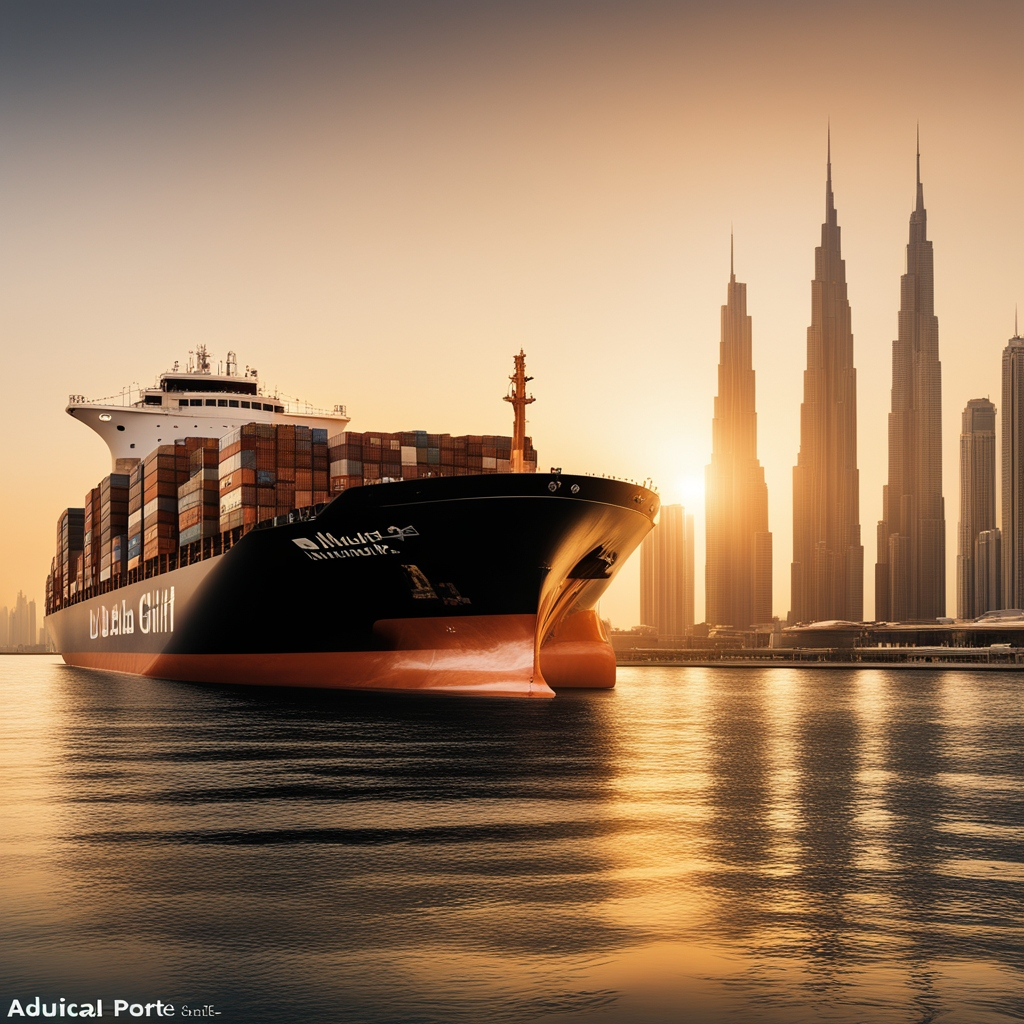
For Dubai, a city that links Asia, Africa, and Europe, this revolution is not optional — it’s inevitable.
Autonomous logistics refers to logistics systems where processes are self-managed or automated using technologies like AI (Artificial Intelligence), IoT (Internet of Things), robotics, sensors, and autonomous vehicles.
It covers every part of the logistics chain:
- Autonomous trucks and drones for transport and delivery.
- Robotic warehouses with automated sorting and packing.
- AI-based routing and scheduling systems that optimize efficiency.
- Smart ports and customs systems powered by digital twins.
In short, it’s the future of global logistics — running on data, intelligence, and connectivity.
Let’s break it down:
Sensors and IoT devices collect real-time information from vehicles, shipments, and storage systems — temperature, speed, traffic, and cargo conditions.
AI algorithms analyze that data instantly to plan routes, predict delays, and optimize delivery schedules.
Driverless trucks, ships, and drones execute delivery plans, communicating with traffic and weather systems for real-time adjustments.
Warehouses are now powered by autonomous forklifts, AGVs (Automated Guided Vehicles), and robotic arms that pick and pack goods with accuracy.
All transactions — customs forms, bills of lading, and invoices — are securely verified on blockchain networks, ensuring transparency and compliance.
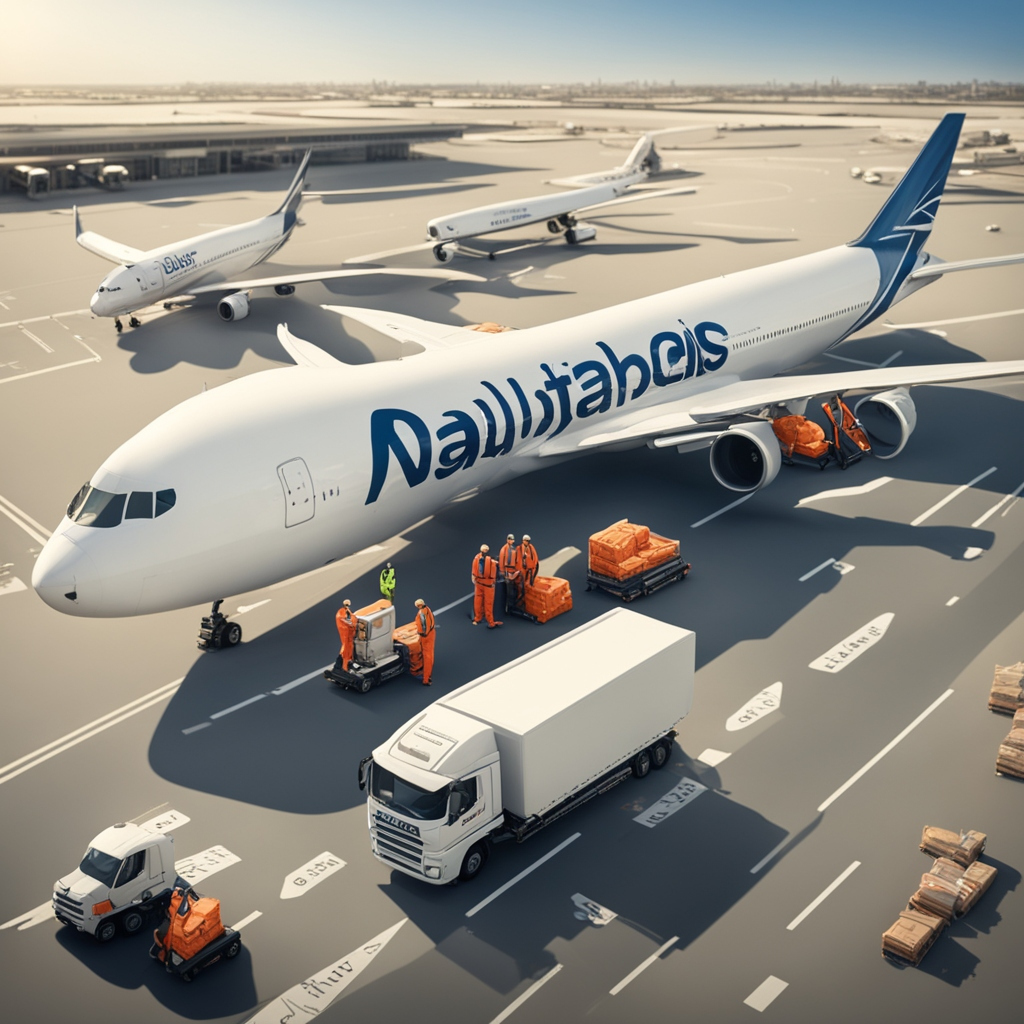
Dubai is at the crossroads of the world’s busiest trade routes, connecting 200+ destinations. But beyond geography, several strategic advantages make it ideal for this revolution:
Dubai’s Smart Logistics 2030 Initiative aims to automate 25% of all logistics operations by 2030.
Projects like DP World’s BoxBay and Dubai South’s Logistics District are already experimenting with self-operating cargo systems.
Dubai connects air, sea, and land routes seamlessly, enabling easy integration of AI-driven systems across multiple modes of transport.
Dubai offers incentives for tech startups and logistics companies experimenting with drones, autonomous trucks, and AI-based systems.
| Technology | Role in Logistics | Example in Dubai |
|---|---|---|
| AI & Machine Learning | Predictive routing, inventory forecasting | DP World’s AI cargo optimization |
| IoT (Internet of Things) | Real-time asset tracking | Port sensors & smart fleet systems |
| Robotics & Drones | Automated packing and last-mile delivery | Dubai drone trials for eCommerce |
| Blockchain | Transparent documentation | Paperless customs and bills of lading |
| 5G Networks | Low-latency communication | Dubai Smart Port projects |
| Digital Twins | Simulation of logistics operations | Jebel Ali Port operations modeling |
AI-based automation reduces idle time and ensures that cargo moves 24/7 with minimal human intervention.
Autonomous systems optimize fuel, reduce delays, and cut administrative costs by up to 30%.
Human fatigue and errors are minimized with sensor-driven systems and predictive analytics.
Electric and autonomous vehicles, solar-powered warehouses, and AI route optimization reduce the carbon footprint of logistics.
Blockchain-based visibility builds trust among stakeholders — from manufacturers to consumers.
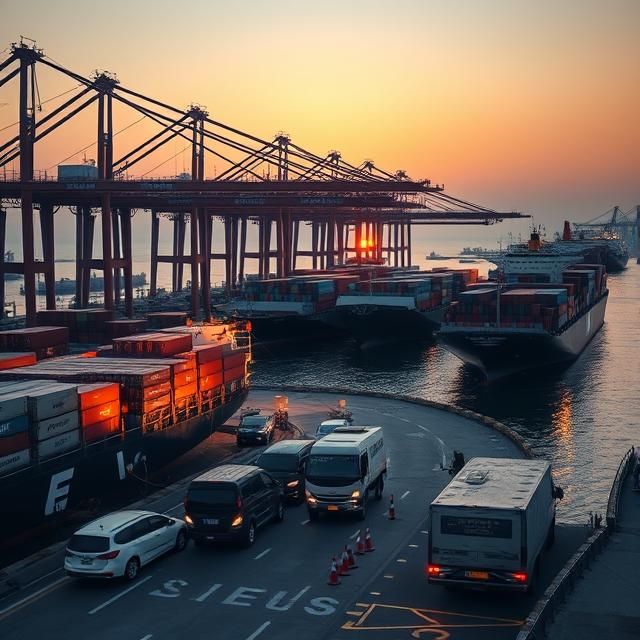
Ports are the lifeline of global logistics. In Dubai, Jebel Ali Port is pioneering smart systems to enable autonomous cargo movement, including:
- Automated stacking cranes
- Self-driving container trucks
- AI control towers monitoring port operations 24/7
Similarly, Dubai South’s Air Cargo Terminal is testing drone-assisted last-mile delivery systems, revolutionizing how high-value or perishable cargo moves.
Contrary to popular belief, automation doesn’t eliminate jobs — it transforms them.
Workers are shifting from manual operations to roles in data analysis, system monitoring, and AI maintenance.
Dubai is investing in training programs and skill development to prepare its workforce for this shift. The goal is to create a hybrid logistics model where humans and machines collaborate seamlessly.
Even with massive potential, full automation comes with challenges:
- High initial investment in robotics and systems
- Complex regulatory frameworks for autonomous vehicles
- Cybersecurity risks in connected systems
- Need for skilled AI engineers and technicians
Dubai’s solution: developing regulatory sandboxes where logistics firms can test AI and autonomous systems under monitored conditions.
Nautical Gulf, a global shipping and logistics provider based in Dubai, exemplifies how logistics firms are preparing for the autonomous era.
Through investments in digital systems, GPS-integrated tracking, and sustainable cargo handling, Nautical Gulf builds trust among clients who seek efficiency and transparency in global trade.
The company’s approach — balancing human expertise with intelligent systems — mirrors Dubai’s broader logistics evolution.
In reviews and client testimonials, Nautical Gulf is often highlighted for:
- Real-time cargo visibility
- Cost-efficient route optimization
- On-time deliveries with minimal human error
These reflect exactly what autonomous logistics aims to achieve — precision, trust, and sustainability.
Autonomous logistics in Dubai will only expand. Analysts predict that by 2030:
- 40% of warehouse operations will be fully automated.
- Drone-based last-mile delivery will be operational for eCommerce and medical supplies.
- Paperless logistics and AI customs will be the norm.
- Green corridors will integrate electric autonomous fleets.
In essence, Dubai will be the world’s control tower for autonomous trade.
From AI-driven ports to autonomous trucks, Dubai’s logistics sector is rewriting the rules of global trade.
Autonomous logistics isn’t science fiction — it’s today’s reality, powered by vision, innovation, and execution.
As 2025 unfolds, the line between technology and trade continues to blur — and Dubai leads from the front, setting global benchmarks for efficiency, sustainability, and trust.
