
Table of Contents
In 2025, the logistics industry is no longer defined by containers, ships, and warehouses alone — it’s powered by intelligence. Artificial Intelligence (AI) has moved beyond being a buzzword to become the beating heart of a new era: smart logistics.
Nowhere is this transformation more visible than in Dubai, a city built on innovation, trade, and technology. Positioned at the crossroads of Asia, Africa, and Europe, Dubai has become a living laboratory for digital logistics — where AI, automation, and real-time analytics merge to create the world’s most efficient freight systems.
This article dives into how AI-powered logistics is redefining global trade through Dubai, how it enhances operational efficiency, and how companies like Nautical Gulf are integrating intelligent systems to shape the future of cargo movement.
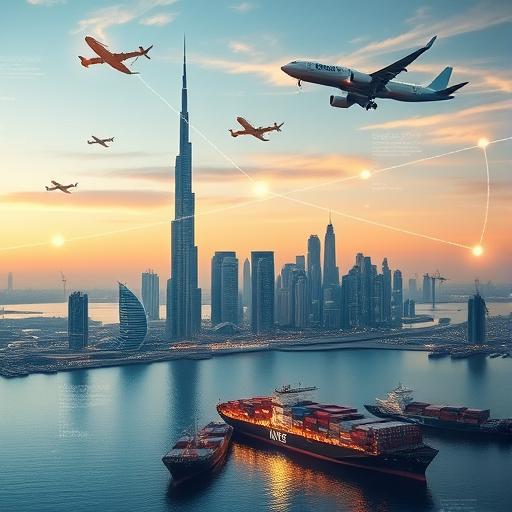
AI-powered logistics refers to the application of artificial intelligence technologies — such as machine learning, predictive analytics, IoT (Internet of Things), and data automation — across supply chain and freight operations.
AI can:
- Predict demand and route disruptions,
- Automate cargo planning,
- Track real-time shipments,
- Optimize port efficiency, and
- Forecast fuel and maintenance needs with precision.
Essentially, it transforms reactive logistics into a proactive, data-driven ecosystem.
In Dubai, AI isn’t just a supplement to logistics — it’s becoming the industry’s foundation.
Dubai’s rise as the global logistics nerve center didn’t happen overnight. It’s the product of deliberate innovation.
The UAE Government’s Digital Economy Strategy 2031 and Dubai Paperless Strategy have accelerated automation across ports, customs, and freight corridors.
Smart terminals at Jebel Ali Port and Dubai South Logistics District use AI to manage vessel berthing, automate cranes, and track containers in real time.
Dubai Ports World (DP World) has introduced AI-driven analytics to monitor port congestion, weather conditions, and vessel movement. These tools can predict delays and automatically reassign berths — saving time and fuel.
The Dubai Customs Smart Risk Engine uses AI to identify high-risk shipments instantly, reducing manual inspections and clearing 97% of cargo in under 24 hours.
Situated between Asia, Africa, and Europe, Dubai manages over 15 million TEUs (Twenty-foot Equivalent Units) annually — providing the perfect dataset to train and refine AI models for logistics optimization.
The power of AI lies in its ability to learn, predict, and optimize at scale. Here’s how it’s revolutionizing freight operations:
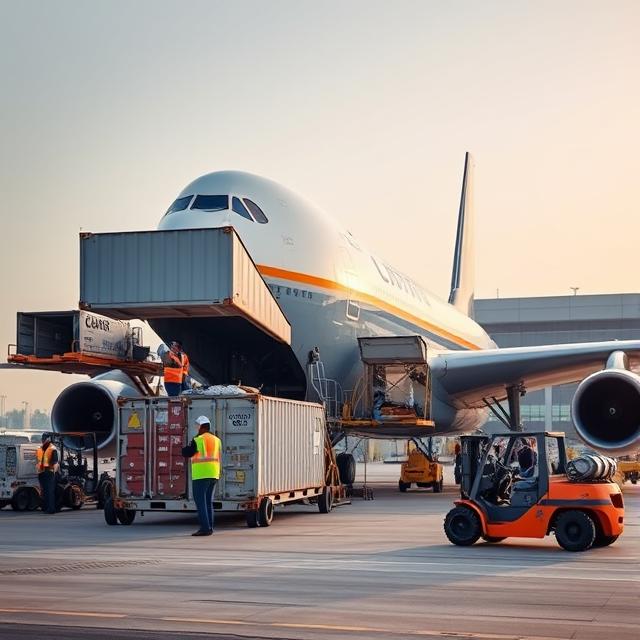
AI algorithms analyze thousands of data points — weather, tides, congestion, and port traffic — to suggest the fastest, safest, and most fuel-efficient shipping routes.
AI-driven analytics help companies predict freight rate fluctuations based on global demand, fuel prices, and seasonality. This allows for smarter negotiations and cost planning.
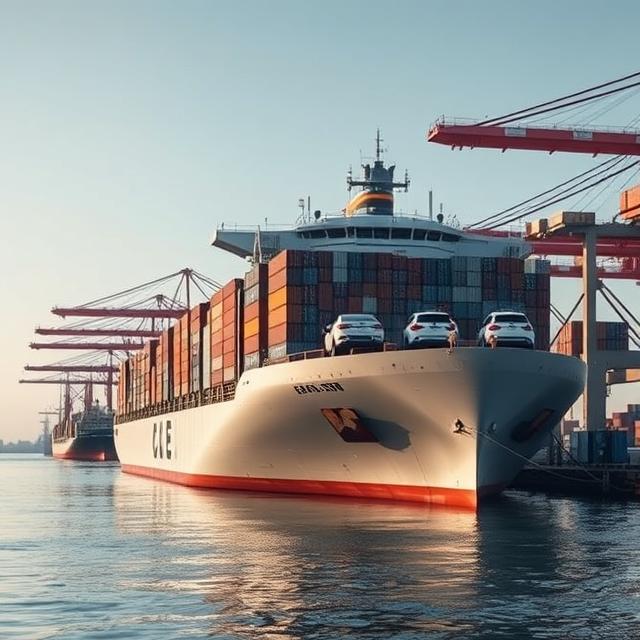
AI systems determine which containers to load first, how to balance weight on vessels, and how to minimize idle capacity — improving efficiency and sustainability.
From e-Bills of Lading to digital customs filings, AI speeds up documentation processes that used to take days — ensuring error-free compliance with international trade laws.
IoT sensors integrated with AI alert operators about cargo conditions (temperature, humidity, vibration). Predictive maintenance prevents equipment failures before they disrupt shipping cycles.
AI logistics doesn’t just improve operations — it reshapes international trade economics.
- Reduced Operational Costs: AI saves 20–30% of logistics expenses through automation and route optimization.
- Higher Cargo Reliability: Predictive analytics reduce port dwell time by up to 40%.
- Smarter Decision-Making: Data visualization enables executives to plan shipments weeks in advance with accurate risk forecasting.
- Sustainability Boost: Fewer idle journeys mean less CO₂ emissions, aligning with Dubai’s Green Freight Program.
AI is redefining what it means to be “on time” — it’s about precision, not just punctuality.
Dubai is a vital link between manufacturing hubs in Asia and consumer markets in Africa and Europe. By embedding AI across its ports and free zones, it ensures seamless trade flows through these routes.
The Dubai Trade Portal acts as a digital bridge between shipping companies, customs, and logistics providers — automating 95% of documentation.
Through initiatives like World Logistics Passport (WLP), Dubai connects global trade players under one AI-enabled digital ecosystem — improving freight predictability and cross-border transparency.
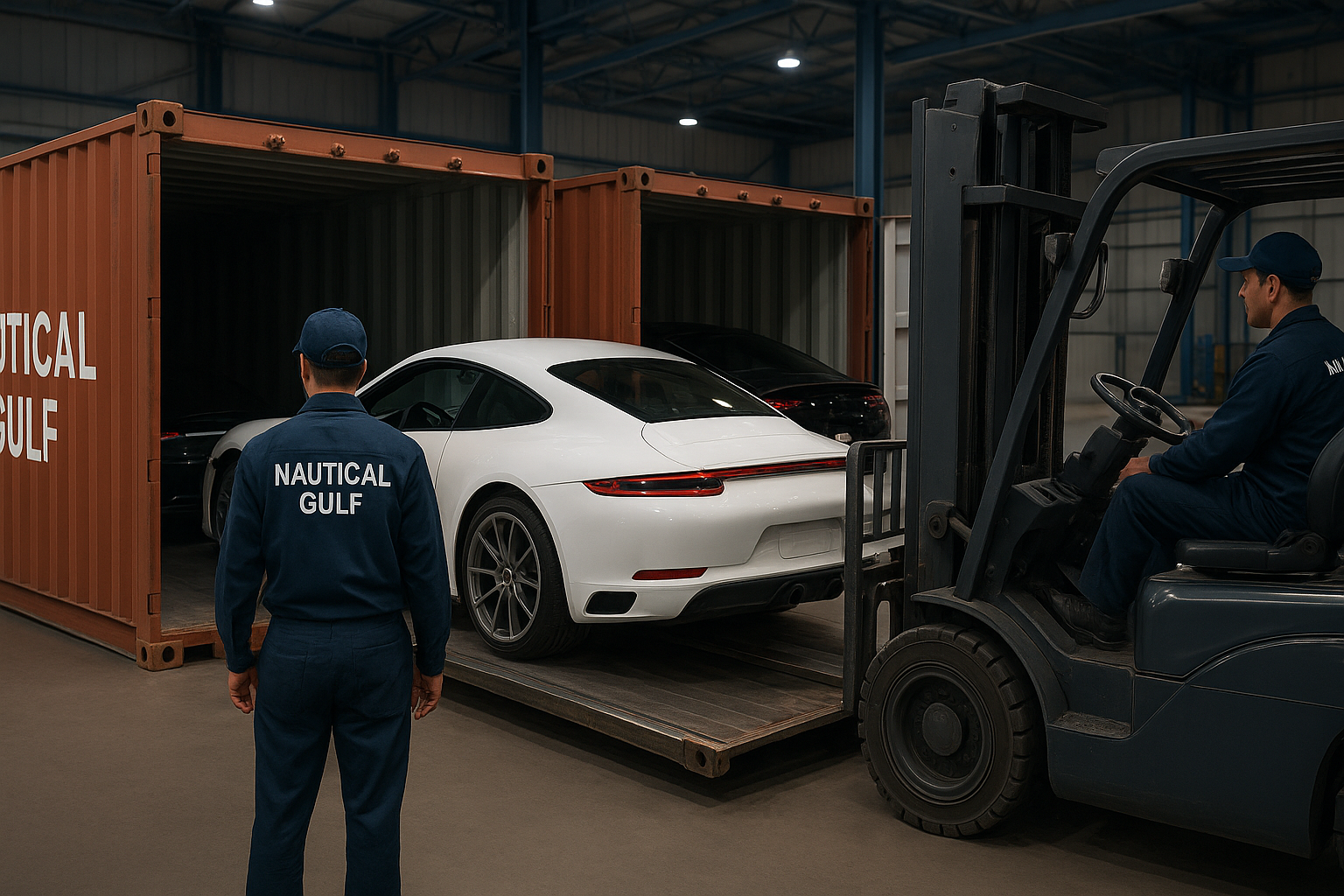
While automation drives precision, human expertise drives judgment. Nautical Gulf blends both to deliver seamless, intelligent logistics solutions from Dubai.
As an emerging leader in the shipping and freight forwarding space, Nautical Gulf leverages smart logistics tools and AI-enabled systems to improve cargo visibility, optimize fuel efficiency, and provide clients with data-driven shipment updates.
What makes Nautical Gulf’s approach stand out is not just technology — but the strategic human oversight that ensures AI insights are translated into real-world logistics excellence.
From predictive analytics for global freight routing to real-time shipment visibility, Nautical Gulf demonstrates how Dubai’s logistics innovation can be practical, transparent, and globally scalable.
👉 Learn more at nauticalgulf.com
| Key Benefit | Impact on Trade |
|---|---|
| Route Optimization | 20–40% time savings |
| Cost Reduction | 25–35% fuel efficiency |
| Predictive Maintenance | 90% fewer breakdowns |
| Real-Time Cargo Visibility | Instant decision-making |
| Lower Emissions | Supports net-zero targets |
| Customer Trust | Transparent digital documentation |
- Autonomous Cargo Ships:
Dubai’s maritime sector is testing AI-controlled vessels that reduce human error and fuel consumption. - Cognitive Ports:
AI ports will self-adjust operations based on demand patterns, reducing idle energy and wait times. - Smart Trade Corridors:
AI will manage intermodal freight between sea, air, and land to synchronize global supply chains. - Hyper-Personalized Client Dashboards:
Companies will soon receive AI-generated trade forecasts, tailored route recommendations, and automated customs predictions.
AI isn’t replacing logistics experts — it’s redefining their role from operators to strategic decision-makers.
- Global trade now depends on data accuracy as much as delivery time.
- Predictive intelligence ensures that supply chains are resilient, cost-efficient, and sustainable.
- With Dubai leading in digital infrastructure, AI logistics will become the new global benchmark for reliability.
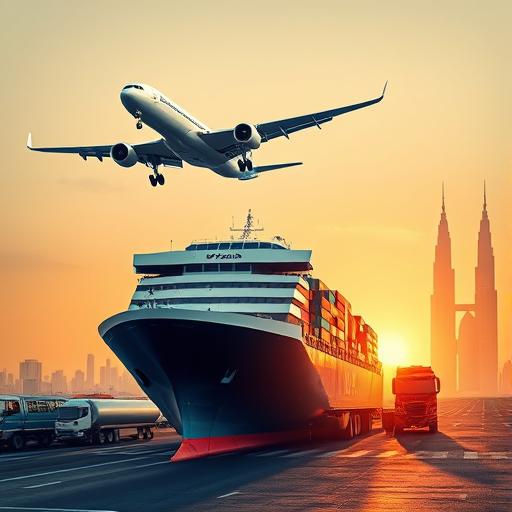
AI is not just automating logistics — it’s intelligently connecting every link in the supply chain.
From port cranes to predictive freight dashboards, from data lakes to digital bills of lading, the future of shipping is smart, sustainable, and self-learning.
Dubai stands at the center of this global shift, turning vision into reality — and companies like Nautical Gulf are making this revolution practical, scalable, and globally accessible.
By blending data intelligence with logistics expertise, Nautical Gulf continues to drive the next evolution of smart freight — making every shipment smarter, faster, and greener.
