

Table of Contents
In the last decade, the world has shifted from “screen time limits” to “digital wellbeing.”
For British families, this shift isn’t just cultural — it’s emotional, educational, and deeply personal.
As of 2025, over 83% of UK teenagers own smartphones and spend an average of 5–7 hours daily online, according to Ofcom. While technology opens doors to creativity and connection, it also introduces distractions, anxiety, and digital burnout.
Parents across the UK — from London to Manchester, Glasgow to Cardiff — are asking the same question:
“How can I guide my teen’s digital life without becoming the screen-time police?”
This is where digital wellbeing tools and parenting apps come in — empowering parents to balance connection with independence, structure with freedom, and awareness with trust.
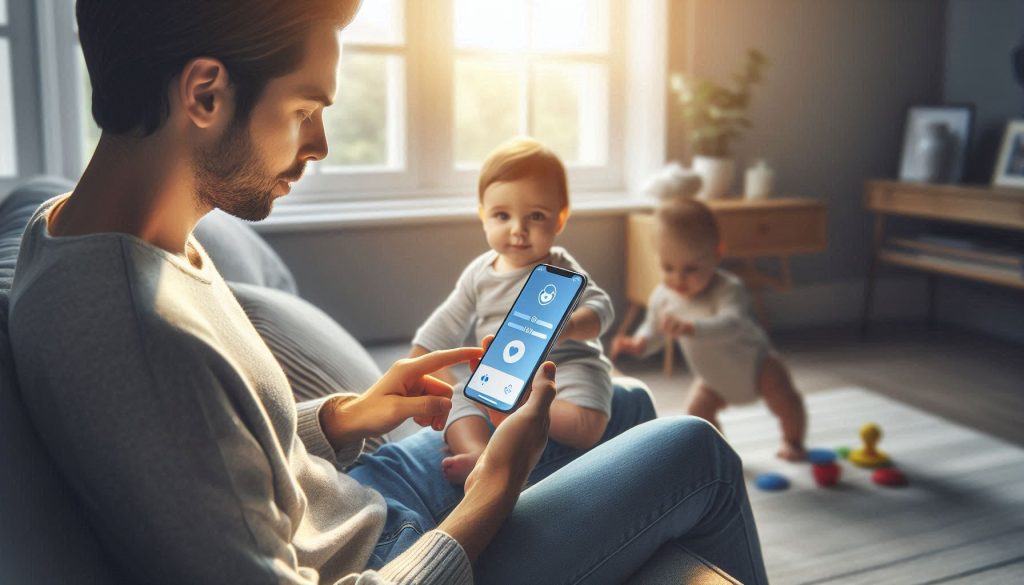
“Digital wellbeing” isn’t about removing technology. It’s about helping teens use tech mindfully, purposefully, and safely.
In the UK context, digital wellbeing includes:
- Healthy screen habits aligned with NHS mental health recommendations.
- Age-appropriate online safety, following Ofsted and Childline guidelines.
- Balanced tech use during school, social, and sleep hours.
- Open communication between parents and teens about digital behaviour.
In simple terms:
Digital wellbeing means technology works for your teen — not against them.
Modern parenting apps are no longer about restriction — they’re about coaching, communication, and connection.
A good digital wellbeing parenting app in the UK should:
- Encourage self-regulation, not punishment.
- Allow customized screen-time boundaries for schoolwork and recreation.
- Offer real-time insights into app usage patterns.
- Ensure data privacy under UK GDPR standards.
- Provide emotional analytics, helping parents detect digital stress.
Apps like TinyPal lead this evolution — combining psychology with technology, and structure with empathy.
Teens in Britain are digital natives — they socialize, learn, and explore online. However, the average UK teen checks their phone 70+ times a day.
Digital wellbeing tools bring structure — converting compulsive scrolling into intentional engagement.

Studies by the NHS show that 1 in 6 children aged 5–16 in the UK experience mental health challenges, many linked to online exposure and lack of sleep.
Apps that monitor emotional signals — like late-night scrolling or negative content exposure — help parents intervene early.
Social media algorithms can overwhelm teens with unfiltered information. Parenting apps help filter content exposure and foster conversations about digital ethics.
British parents — especially dual-working households — find it tough to monitor every click.
AI-driven parenting tools automate digital balance tracking, giving parents peace of mind without surveillance.
Not all apps understand the UK context.
Here’s what British families should look for:
| Feature | Why It Matters | UK Context |
|---|---|---|
| GDPR Compliance | Protects child data legally | Mandatory under UK law |
| Customisable Screen Timers | Aligns with school schedules | Supports home learning hours |
| Emotion Recognition AI | Detects stress or overuse | Supports NHS mental wellbeing goals |
| Family Mode Integration | Syncs across devices | Ideal for multi-device UK homes |
| Cultural Localisation | British English, school terms | Improves UX for UK parents |
In 2025, AI doesn’t replace parenting — it enhances awareness.
Generative AI in parenting apps helps with:
- Predictive Screen Alerts: Warns parents if usage spikes near exam weeks.
- Mood Analysis: Detects negative patterns in app engagement.
- Conversation Prompts: Suggests ways to discuss digital detox with teens.
- Smart Scheduling: Balances online time around UK school timetables.

These tools support empowered parenting, not surveillance parenting.
Teens mirror parents. Keep your phone aside during family meals or conversations.
Use parenting apps to set screen-time rules together, not unilaterally.
Discuss how apps make your teen feel — excited, anxious, pressured, or happy.
Encourage “no-screen mornings” on weekends or “digital detox nights.”
Reinforce positive behaviour — a family hike, a creative project, or dinner without devices.
“TinyPal helped my son balance gaming and schoolwork. The weekly screen report gave us insights without arguments.”
— Laura, Birmingham
“It’s not about control — it’s about awareness. I finally understand how my daughter’s screen habits affect her mood.”
— James, Manchester
“The emotional AI insights feel like therapy for parents. It helps us guide, not punish.”
— Rita, London
These stories show why parents prefer apps that educate and empower, not monitor and restrict.
Even the best app is only as effective as the parent-child dialogue behind it.
TinyPal’s digital wellbeing reports are designed to start conversations, not arguments.
In the UK’s diverse family ecosystem, open communication remains the strongest tool for digital harmony.
By 2026, we’ll see a clear trend:
- From “screen policing” → to “screen partnership.”
- From “monitoring” → to “mindfulness.”
- From “control” → to “connection.”
Apps that blend AI insights with emotional intelligence — like TinyPal — will define this new era.
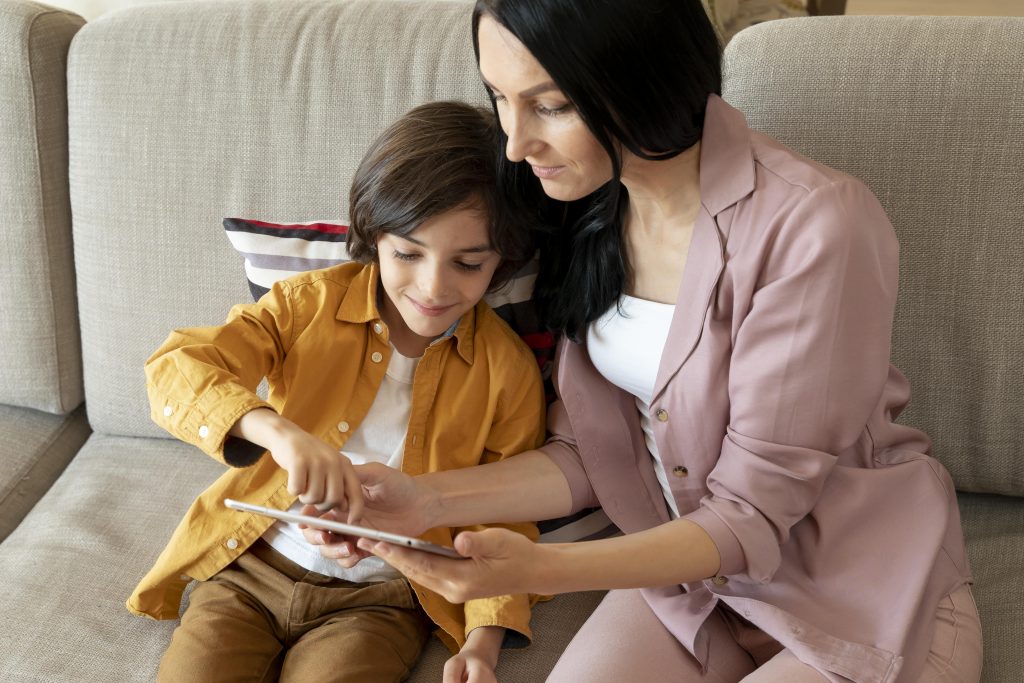
TinyPal isn’t just an app — it’s a family wellbeing ecosystem.
It’s built with:
- UK GDPR-first architecture.
- Emotional wellness AI tuned for British families.
- Screen and sleep balance tracking.
- Offline activity encouragement (TinyPal Rewards).
TinyPal helps British parents nurture balanced, mindful digital habits — not by control, but by compassion.
Parenting in 2025 isn’t about unplugging — it’s about guiding wisely.
The goal is not to fight technology, but to shape its impact on your child’s emotional and social world.
Whether you’re a parent in Leeds or London, understanding digital wellbeing is the most important step toward raising confident, self-aware teens.
