

Table of Contents
Parenting in 2025 looks nothing like it did a decade ago.
From smart speakers to AI companions, families across the USA are embracing technology that listens, learns, and adapts — not just to their needs but also to their children’s emotional worlds.
One of the most impactful innovations reshaping American homes today?
👉 AI-powered parenting apps — tools that help parents understand their kids better rather than control them.
In this guide, we’ll explore how these apps work, why they’re becoming a must-have in American households, and which platforms — like TinyPal — are setting new standards in family well-being.
AI parenting apps are digital platforms that use artificial intelligence to analyze a child’s behavior patterns, emotional states, and online activities. Unlike traditional parental control apps that simply block or track, AI parenting tools like TinyPal interpret why a child behaves a certain way — and help parents respond with empathy.
For example, instead of just alerting you when your child spends 2 hours on TikTok, AI can tell you whether your teen might be feeling isolated, stressed, or socially connected.
This approach shifts parenting from restriction to understanding — a major psychological evolution in digital-age families.
According to 2025 analytics reports, over 72% of U.S. parents now use at least one digital parenting tool — up from just 28% in 2020. The reasons are clear:
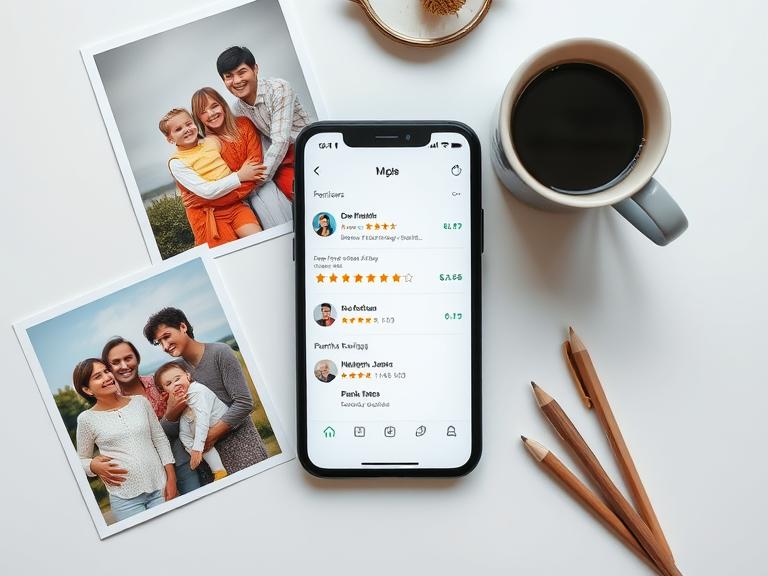
Children aged 10–17 spend an average of 7 hours daily online. AI parenting apps detect excessive use and suggest personalized routines to restore balance.
Parents are becoming more aware of digital burnout and emotional fatigue. AI can track behavioral patterns and flag early signs of stress.
With hybrid work models, parents need reliable tools to stay informed without constant surveillance. AI automation gives insights without micromanagement.
Modern parents want insights without invasion. Apps like TinyPal emphasize secure, encrypted emotional analytics — not raw data tracking.
At the heart of every AI parenting app is a machine-learning model that processes three key data types:
- Digital Behavior Patterns:
Time spent on social apps, browsing categories, screen schedules. - Emotional Indicators:
Text sentiment, emoji use, and online tone to detect mood trends. - Contextual Triggers:
School schedules, family routines, or sleep cycles that shape behavior.
AI then generates smart recommendations like:
- “Your child’s bedtime routine is slipping — consider a digital wind-down alert.”
- “Positive online interactions are increasing — celebrate with praise.”
Here are a few apps reshaping digital parenting in the USA (2025 edition):
| App Name | Best For | Core Feature | Platform |
|---|---|---|---|
| TinyPal | Emotional wellness tracking | AI empathy engine | iOS, Android |
| Bark | Teen online safety | Social media alerts | iOS, Android |
| Qustodio | Family control dashboard | Device-level insights | iOS, Android |
| Canopy | Safe browsing | Image filtering | iOS, Android |
| Life360 | Real-time location | Family locator | iOS, Android |
Among them, TinyPal stands out for its AI empathy engine — an algorithm designed to detect emotional patterns behind digital habits.
Traditional parenting apps often missed the “why.”
They tracked usage but never explained why your child scrolled for hours or why their sleep dropped suddenly.
Emotional AI changes that. It focuses on the “human layer” — analyzing emotional signals in digital behavior to help parents guide, not punish.
TinyPal’s AI model is trained on emotional contexts, allowing parents to view:
- Mood trends
- Digital comfort zones
- Positive vs negative activity time
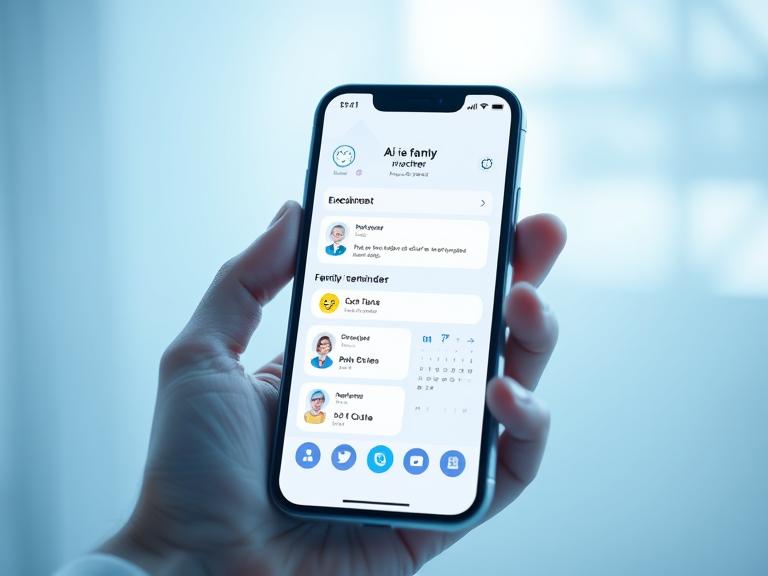
Across American cities like Austin, Seattle, and Boston, parents use TinyPal not just as a monitoring app but as a digital relationship coach.
- It detects screen fatigue and suggests family outdoor time.
- It flags emotional shifts and shares gentle conversation starters.
- It rewards positive digital habits (like taking breaks or mindful scrolling).
The app’s goal: to strengthen empathy inside homes — powered by machine learning and family psychology.
“TinyPal gave me peace of mind without invading my daughter’s privacy.” — Alyssa M., Denver
“It’s like having a parenting coach who actually understands emotions.” — John P., Chicago
“I finally stopped arguing over screen time — TinyPal does the talking for me.” — Melissa T., New York
These authentic reviews echo one thing: TinyPal helps parents feel connected, not controlling.
All trusted parenting apps must comply with:
- COPPA (Children’s Online Privacy Protection Act)
- GDPR (for global compliance)
- CCPA (California Consumer Privacy Act)
TinyPal meets and exceeds these by adopting:
- End-to-end encrypted data storage
- Zero ad-data sharing policies
- Family-only access permissions
By 2026, experts predict that 90% of U.S. families will use AI-driven tools for:
- Emotionally adaptive learning
- Personalized family well-being analytics
- Predictive parenting guidance
TinyPal is already leading that charge — blending science, empathy, and data ethics to redefine digital parenting.

TinyPal doesn’t replace parenting — it enhances it.
Its goal is not control but connection — helping parents raise mindful, emotionally intelligent children in a digital-first world.
📱 Download TinyPal today:
Play Store | App Store
📧 Support: contact@tinypal.com
📞 Mobile: +91 93477 62429
🌐 tinypal.com/parenting-app
